
Event · 10 Nov 2026
Culture Slop Live made taste its word of the year
This year’s word was taste
Culture Slop is a magazine about technology, art and culture, and every year it picks a word. This year’s word is taste. Its season finale, Culture Slop Live!, took over tiat on Powell Street on November 10 with five talks, a couple of exhibits and a very full room. A friend who co-hosts it invited me, and I’m really glad I went.
Most events I go to are about data, code and AI agents. This one came at the same technology from the other side, through art, culture and a bit of philosophy. And the question under every talk was one I’ve been chewing on for a while: when AI can make almost anything, what makes something worth making?
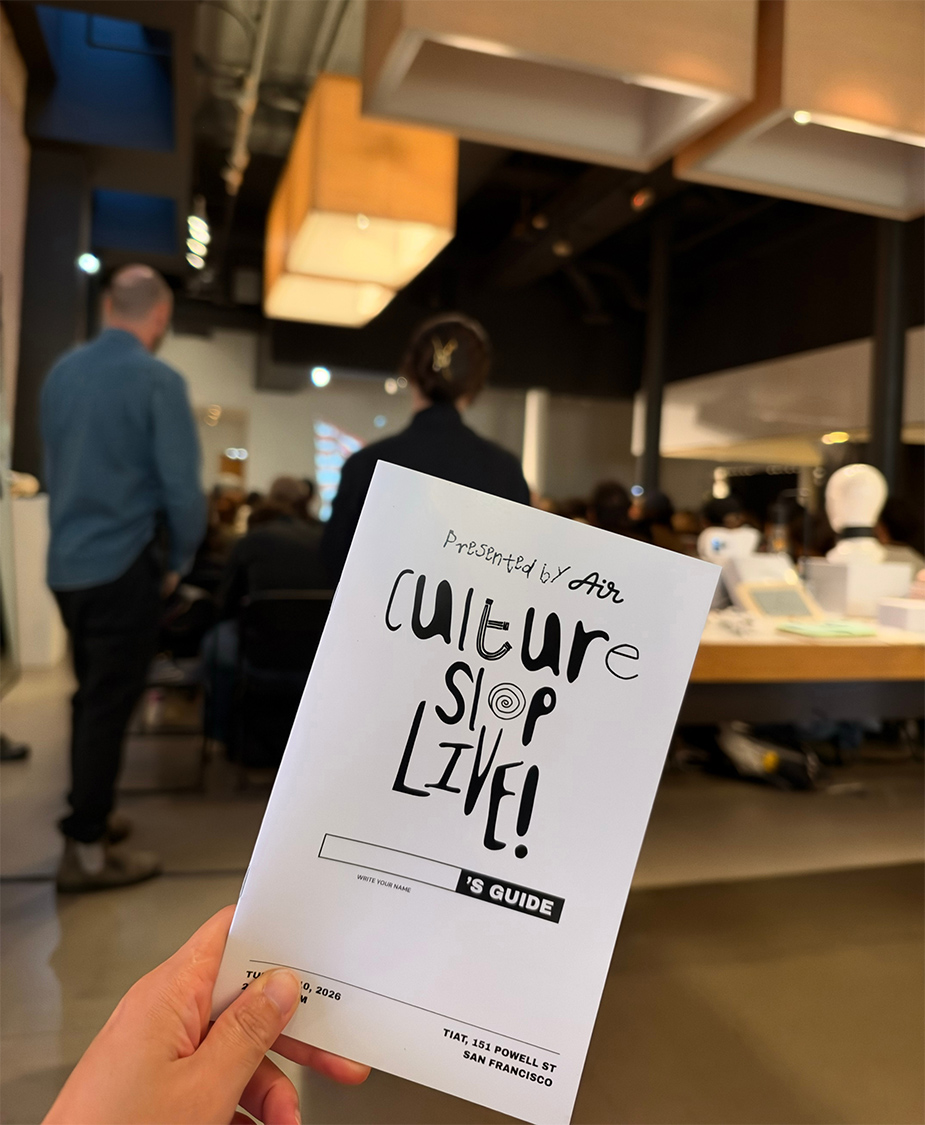
Culture Slop Live!, in hand
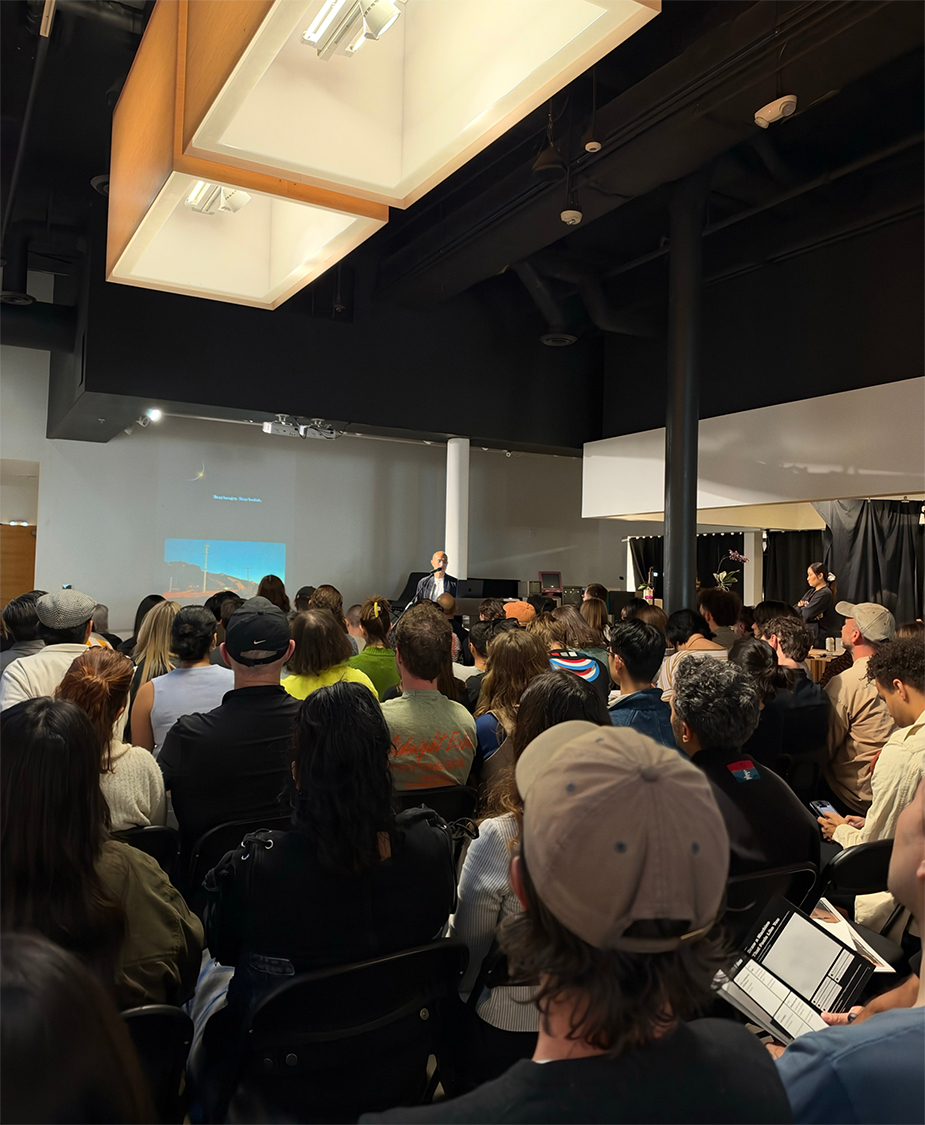
A full room at tiat
Taste you could actually taste
The organizers took the word literally. The snack table was an exhibit called Taste Gallery, curated by Hanna Chen, with chefs plating food like small sculptures. It was minimal and very Scandinavian, with an Asian twist, and it reminded me of 3 Days of Design in Copenhagen, where furniture shops present their sandwiches like they’re part of the collection.
Across the room, an exhibit called Every Thing Computer was full of machines you could touch and play with. None of them were trying to be efficient. They were all about how a machine feels in your hands, which is a nice change from most of the tech I look at all day
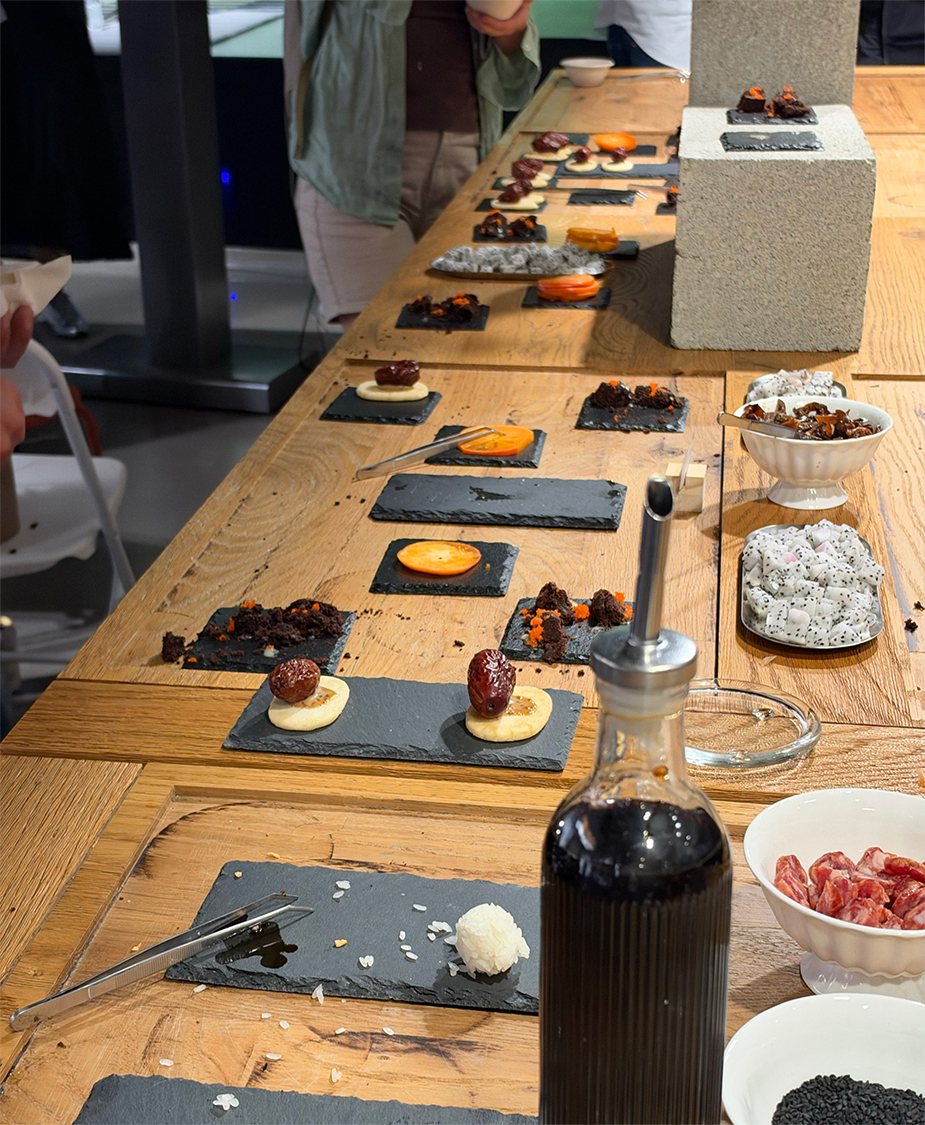
Taste gallery, an edible still life
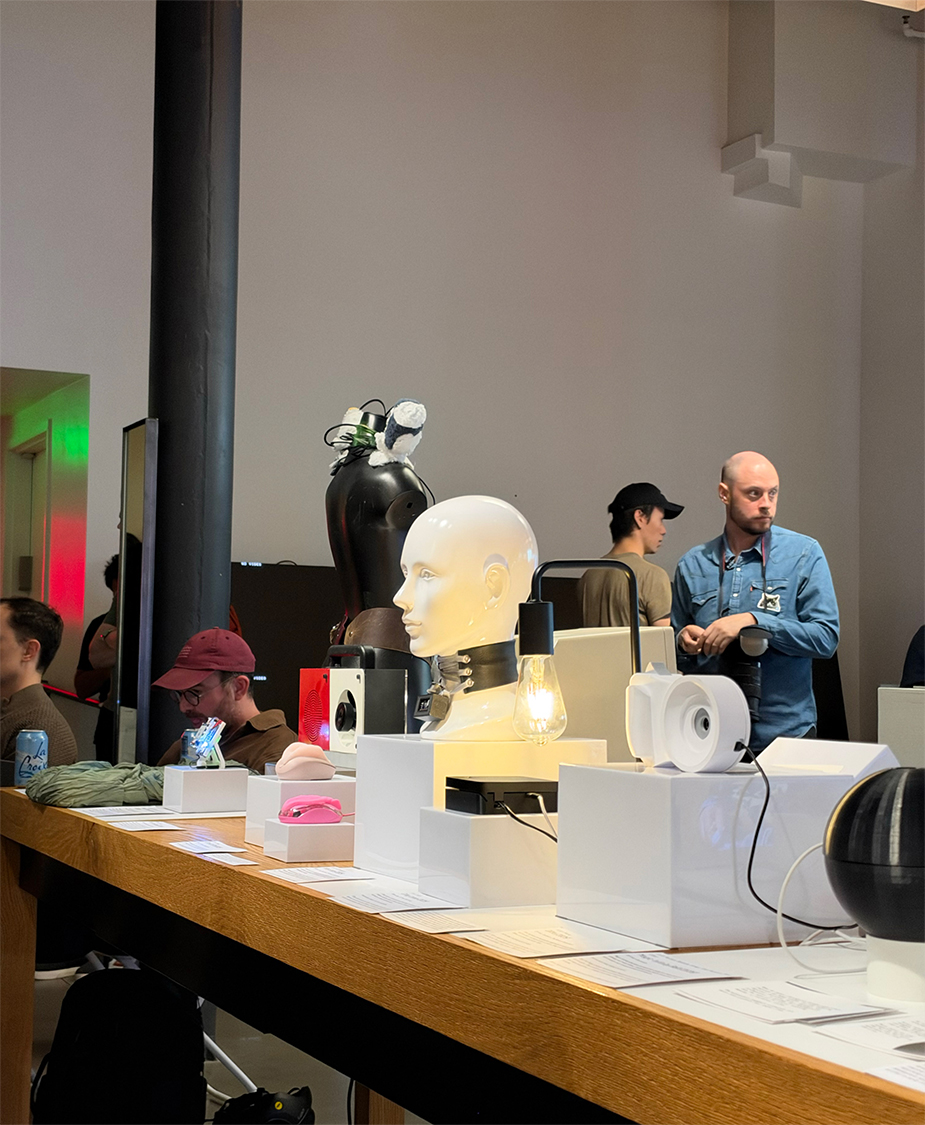
Every thing computer, made to be touched
Who gets to decide what’s good?
One conversation was with Dylan Abruscato of TBPN, the daily tech show that OpenAI bought this spring. It got into something a little uncomfortable: when the companies being covered also own the coverage, who gets to define taste? I’d always thought of taste as personal. This made me see it’s also about who has the platform to set the standard.
Built for someone, not everyone
My favorite talk was from VÉRITÉ, an independent artist, songwriter, producer and performer, with the writer Nick Susi. Their point was that technology built for everyone often ends up working for no one, and that the most meaningful tech comes from inside a scene, with artists involved from the first sketch. Then she showed us a music player shaped exactly like a slice of apple. It’s a very funny nod to a certain tech company, and it made their point better than any slide could. Good taste is always specific to someone. The more a product tries to please everyone, the less it feels like anyone made it.
AI slop? Human slop
The last talk was from Eugenia Kuyda, who founded Replika and now Wabi, and one of her slides just said “AI slop? Human slop.” Her point, as I took it, is that we judge AI agents by the tasks they complete, while beauty lives in the attention someone brings to a thing. That one hit close to home after my own research into how AI agents are branded, where almost everything is measured by what gets done.
To me, slop isn’t really about whether a person or a model made it. It’s what you get when nobody stopped to choose.
What I’m taking back to work
AI has made producing things cheap: another layout, another logo, another hundred options. What it hasn’t made cheap is choosing. Knowing which one is right, saying no to the other ninety-nine, and explaining why in a way a teammate, a client or, honestly, a model can act on.
That last part matters more than I expected. So much of my job now is briefing, whether it’s a developer, a stakeholder or an AI tool. One talk started from the human senses, and that’s exactly where I want to get better: describing how the person on the other end should see, hear and feel the work, before anyone makes anything. If I can’t put the feeling into words, I get something generic back, and generic is what slop looks like. So I’m starting to treat taste less like a gut feeling and more like a skill I practice out loud.
I skipped the after party, but I went home with a lot to think about and a very full camera roll. Thanks for having me!